
Yes You Can! English Paper Piecing Without Paper
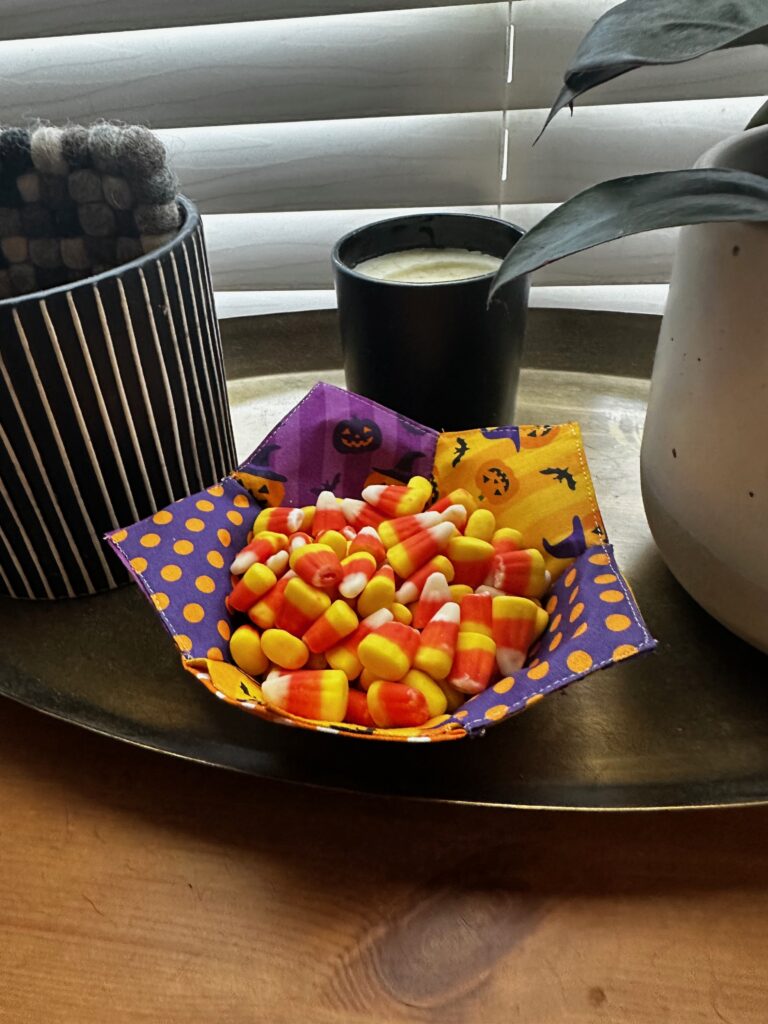
English Paper Piecing (EPP) has been beloved by quilters for generations. The technique is portable, relaxing and wonderfully precise, creating crisp points and perfectly matched seams by wrapping fabric around paper templates before hand stitching the pieces together.
The papers are then removed, revealing only fabric, expertly pieced with corners that always match. But, what if you could skip the paper entirely?
By replacing traditional cardstock templates with Sulky Cut-Away Plus™ or Sulky Soft ‘n Sheer™ Stabilizer, you can eliminate the tedious paper-removal step while creating projects with improved structure and stability. Depending on your project, leaving the stabilizer inside each shape can add body, prevent seam allowance shadowing, and even help three-dimensional projects hold their form.
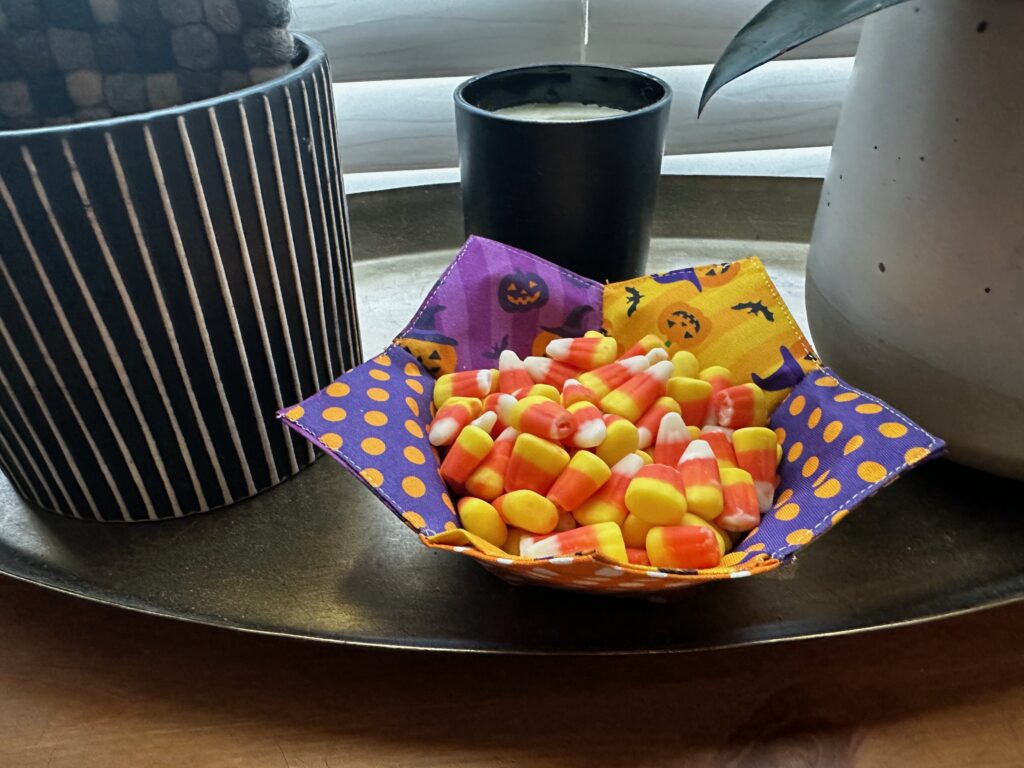
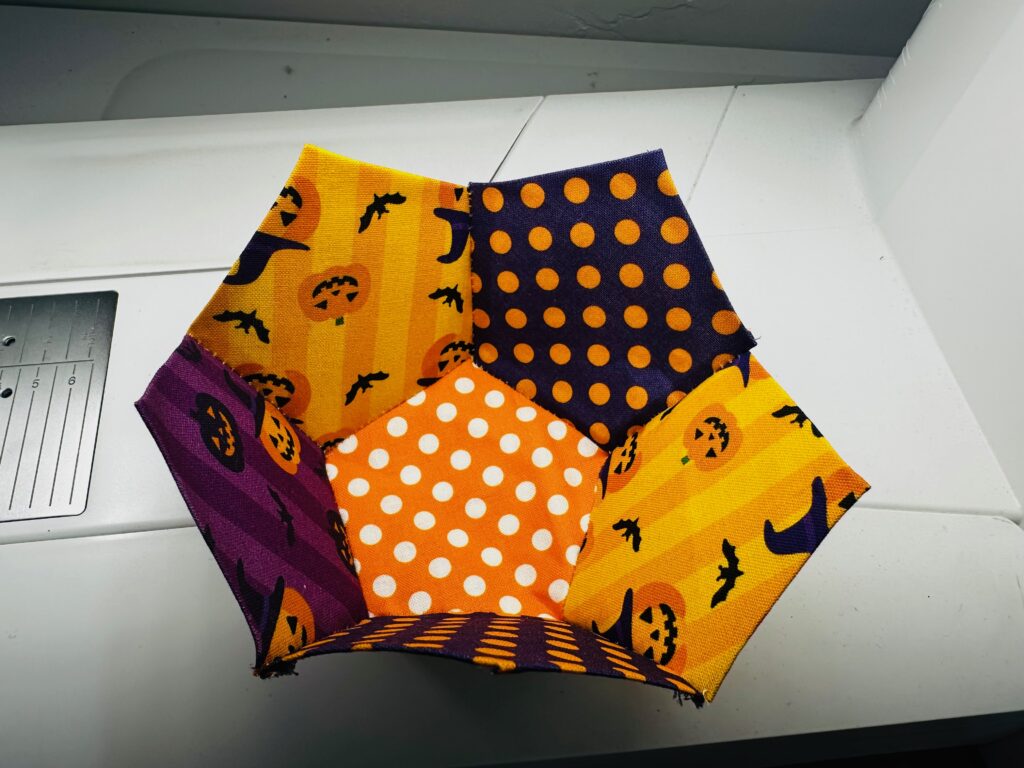
Let’s explore this modern twist on a timeless technique and create a fabric bowl to kick off Summer-ween!
Why Replace Paper Templates?
Traditional EPP uses cardstock or paper templates that remain inside each fabric shape until all stitching is complete. Once the project is assembled, every paper piece must be removed. It’s a time-consuming task, especially with intricate designs.
Sulky stabilizers eliminate that extra step.
Choose your stabilizer based on the finished project:
- Sulky Cut-Away Plus – ideal for bowls, baskets, ornaments, table décor and other structured or three-dimensional projects where you want added body and stability.
- Sulky Soft ‘n Sheer Stabilizer – perfect for quilts, pillows, pouches, wall hangings, and other soft projects where you still want flexibility but also appreciate the benefits of a lightweight interfacing.
Both stabilizers remain inside the finished project, so there’s no paper to remove later.
Why Sulky Cut-Away Plus?
Sulky Cut-Away Plus is a permanent, mediumweight stabilizer that provides just enough firmness without becoming stiff or bulky.
When used as your EPP template, it:
- Gives individual shapes lasting body
- Helps bowls and vessels maintain their shape
- Won’t crease or soften like paper
- Eliminates the paper removal process
- Adds stability to lightweight quilting cottons
- Creates a more durable finished project
This makes it especially useful for decorative bowls, containers, ornaments, and sculptural pieced projects.
When to Use Soft ‘n Sheer Instead
Not every EPP project needs extra firmness.
For quilts and other soft, drapey projects, substitute Sulky Soft ‘n Sheer Stabilizer.
Because it remains inside each shape, it provides several advantages:
- Prevents seam allowances from showing through light fabrics
- Adds a subtle layer of interfacing to every patch
- Helps fabrics keep their shape over time
- Reduces distortion while stitching
- Eliminates the paper removal process
The finished quilt still feels soft but gains additional stability that helps preserve all your careful handwork.
English Paper Piecing Beyond Hexagons
Hexagons are the classic EPP shape, and for good reason. They fit together beautifully to create endless quilt designs. But don’t stop there!
Try experimenting with:
- Pentagons
- Diamonds
- Jewels
- Squares
- Triangles
- Clamshells
- Apple cores
- Tumbling blocks
Different shapes open the door to pillows, bags, ornaments, wall art and even dimensional home décor.
One inspiring example is the free Pentagon Bowl pattern by Molly & Mama, which uses pentagon shapes to create a beautiful fabric bowl. It’s a wonderful example of how EPP extends well beyond traditional quilts and showcases the possibilities of structured piecing.
How to Use Sulky Stabilizer for EPP
Supplies
- Sulky Cut-Away Plus (for structured projects) OR Sulky Soft ‘n Sheer Stabilizer (for quilts and soft projects)
- Fabric (scraps are perfect for EPP)
- Template shape (start with a Hexagon)
- Sulky 50 wt. Cotton Thread (featured is the Halloween Haunt Palette)
- Hand sewing needle
- Basting glue (optional, but super helpful especially when you don’t need to remove the template!)
- Sulky 12 wt. Cotton Petites Thread (optional; for big-stitch quilting after construction is complete)
Step 1: Cut the Stabilizer Shapes
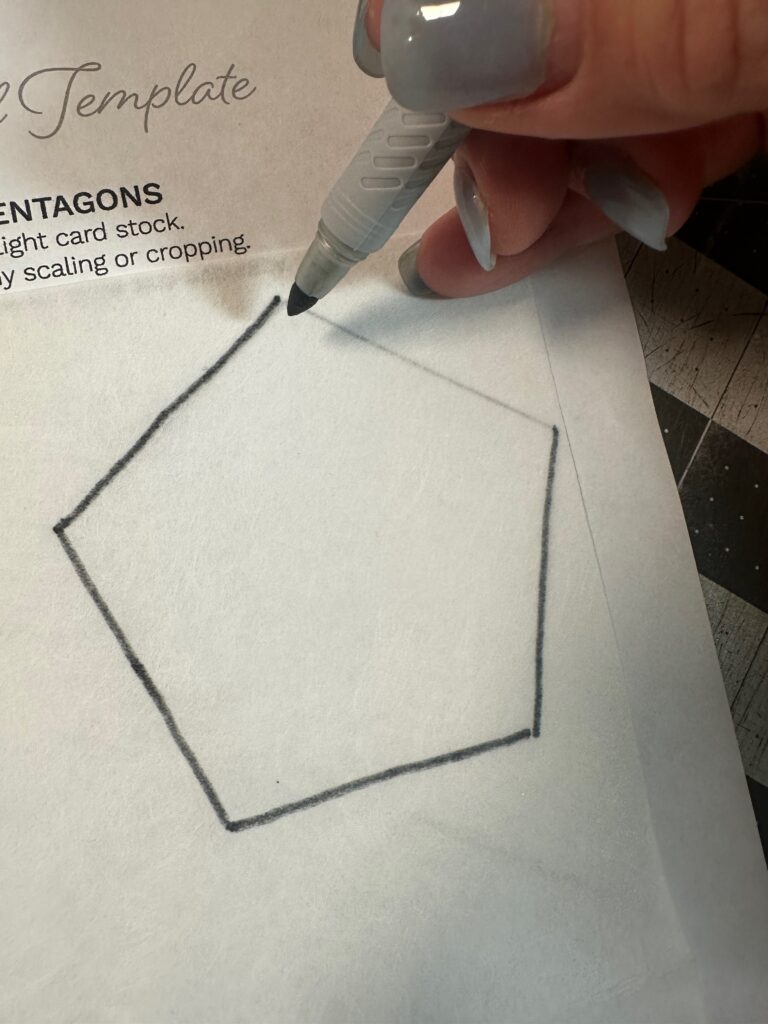
Using a template, cut one stabilizer shape for every fabric piece you’ll need. Unlike paper, these templates become part of the finished project.
Step 2: Cut the Fabric
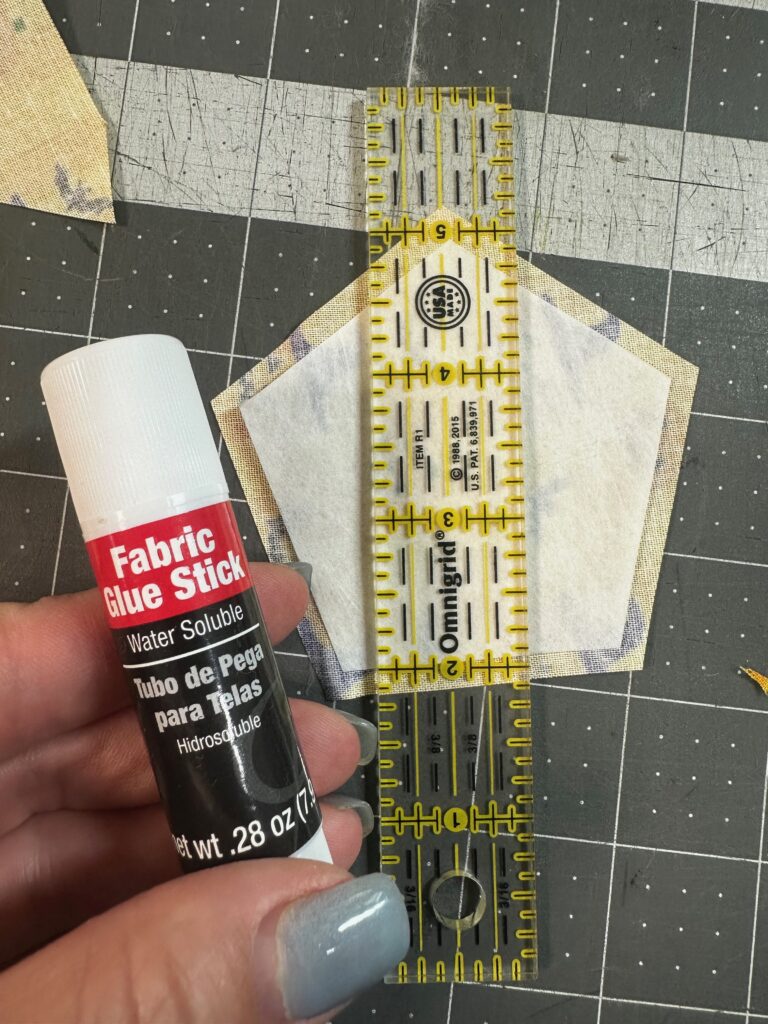
Cut fabric around each stabilizer shape, leaving approximately a ¼” seam allowance on all sides. Center the stabilizer on the wrong side of the fabric. If desired, secure the stabilizer to the fabric using a fabric glue stick.
Step 3: Wrap the Fabric
Fold the seam allowances over the stabilizer, finger pressing as you go. The stabilizer provides a firm edge that’s easy to fold around while maintaining accurate shape.
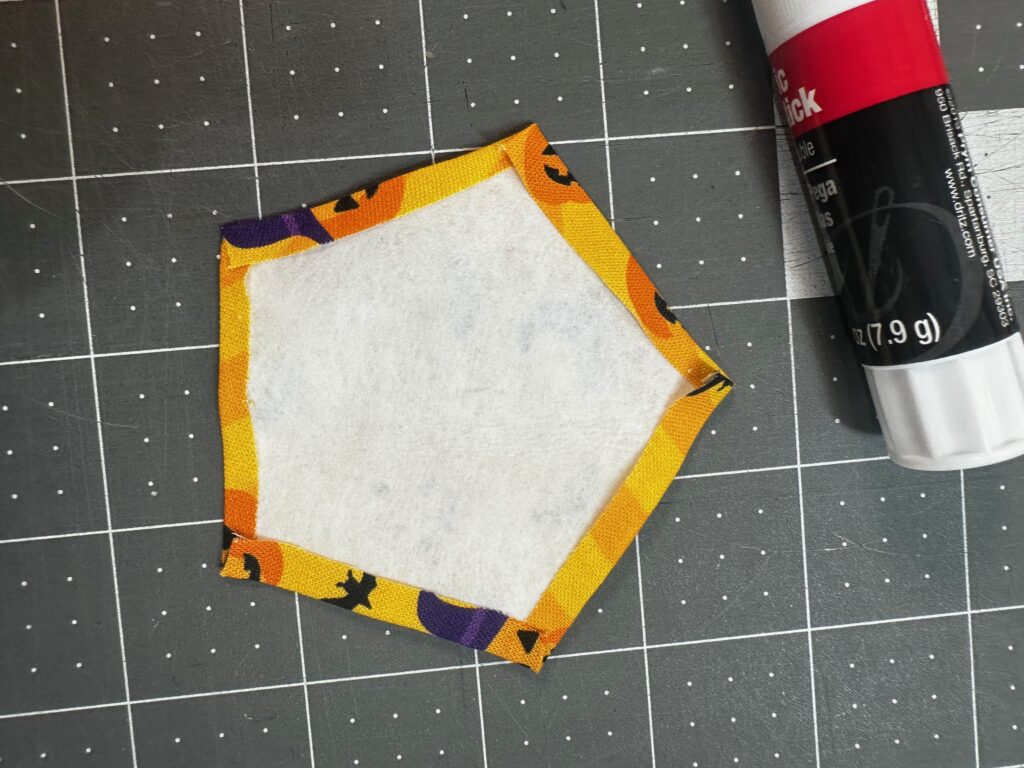
Baste the edges with thread or apply a tiny amount of washable fabric glue to hold everything neatly in place. Keep the glue away from the template edge so you can easily stitch along that edge during assembly.
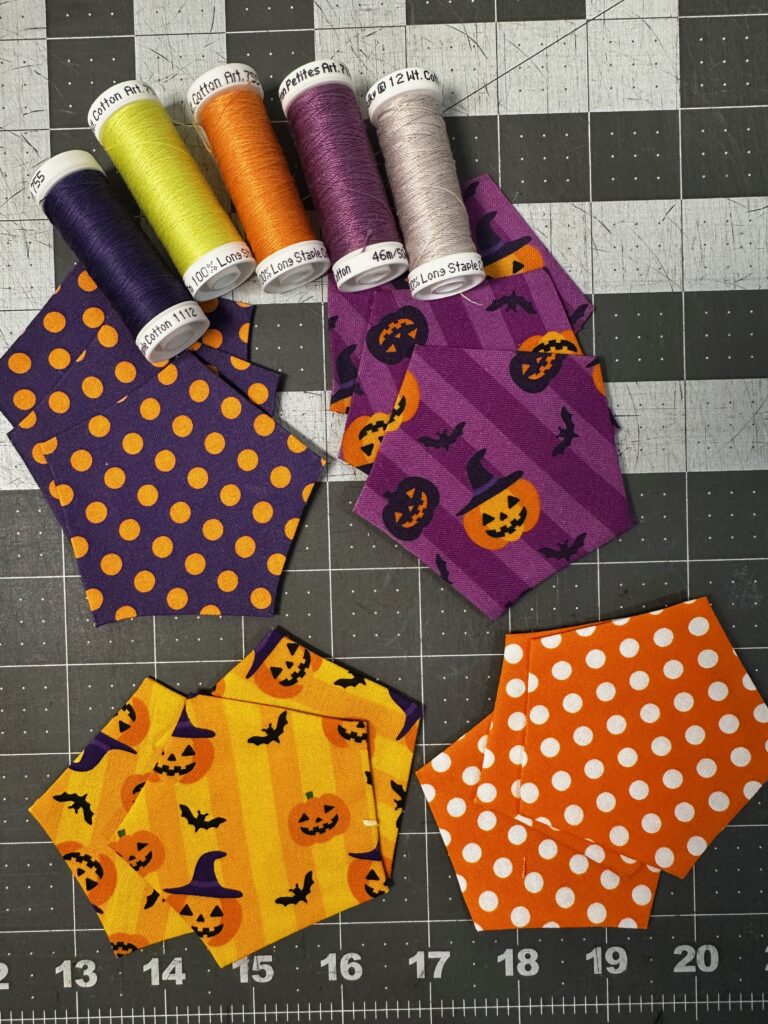
Step 4: Stitch the Pieces Together
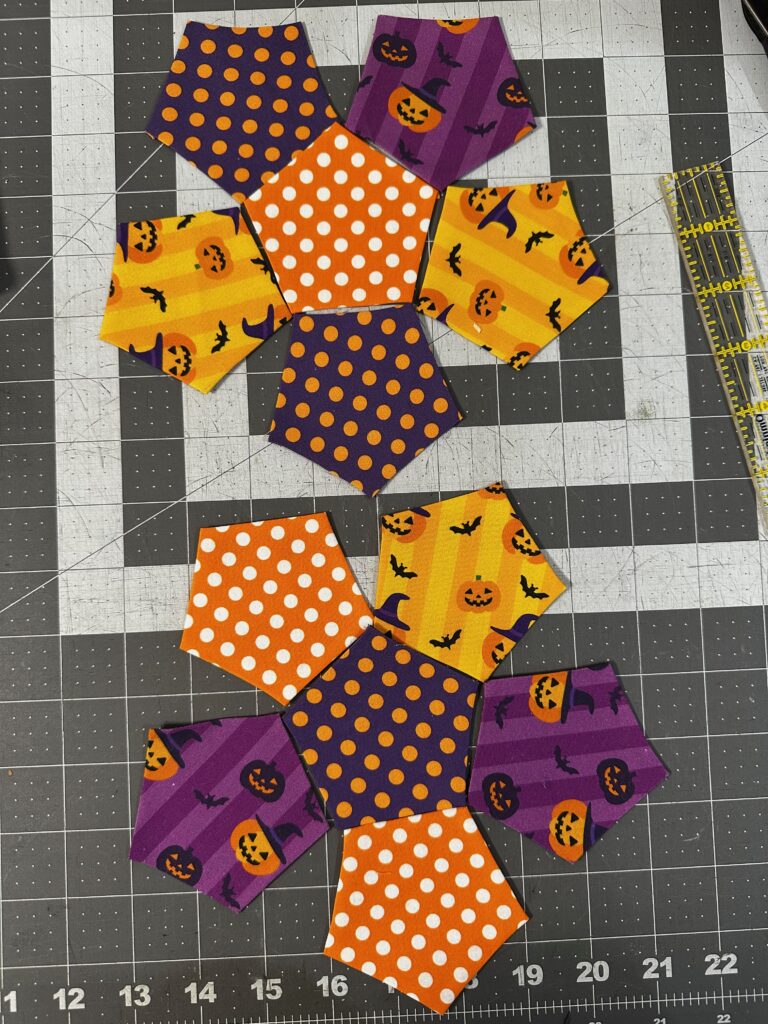
Place the prepared shaped right side up on a flat work surface to determine the fabric print placement. TIP: Snap a picture of the arrangement so you can refer to it as you stitch each piece. It’s easy to get confused and forget which template side to sew where.
Whipstitch or ladder stitch the folded edges together (or use your favorite hand sewing technique). Be sure to use lightweight Sulky 50 wt. Cotton Thread.
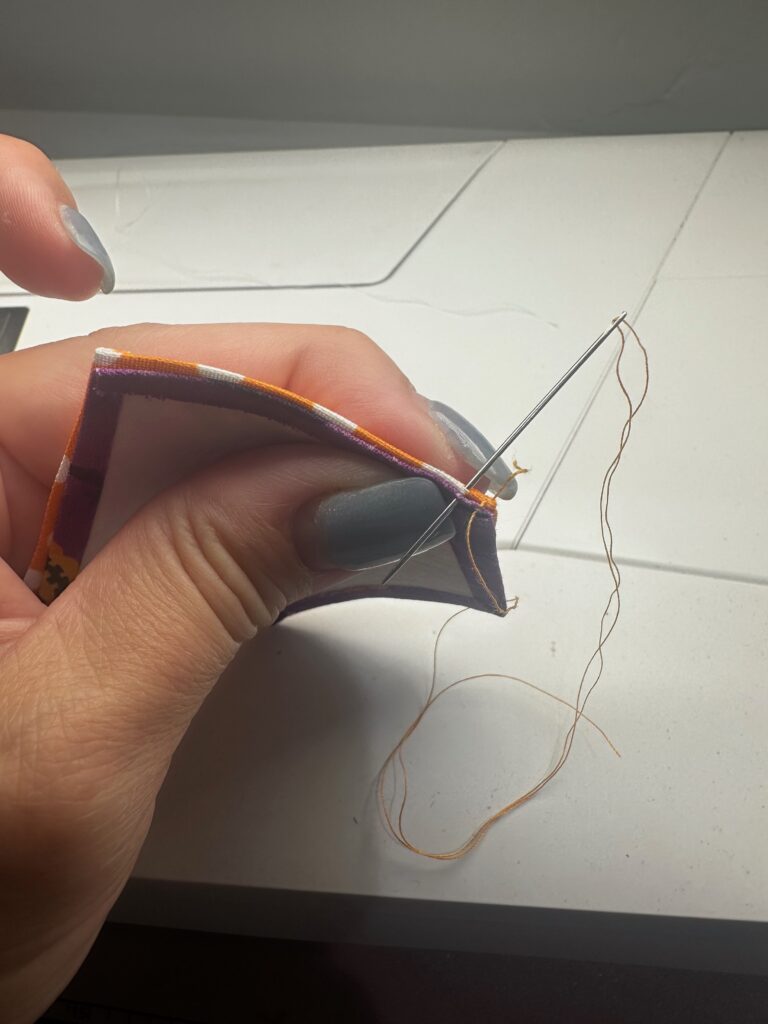
Continue joining shapes along adjacent edges until your design is complete.
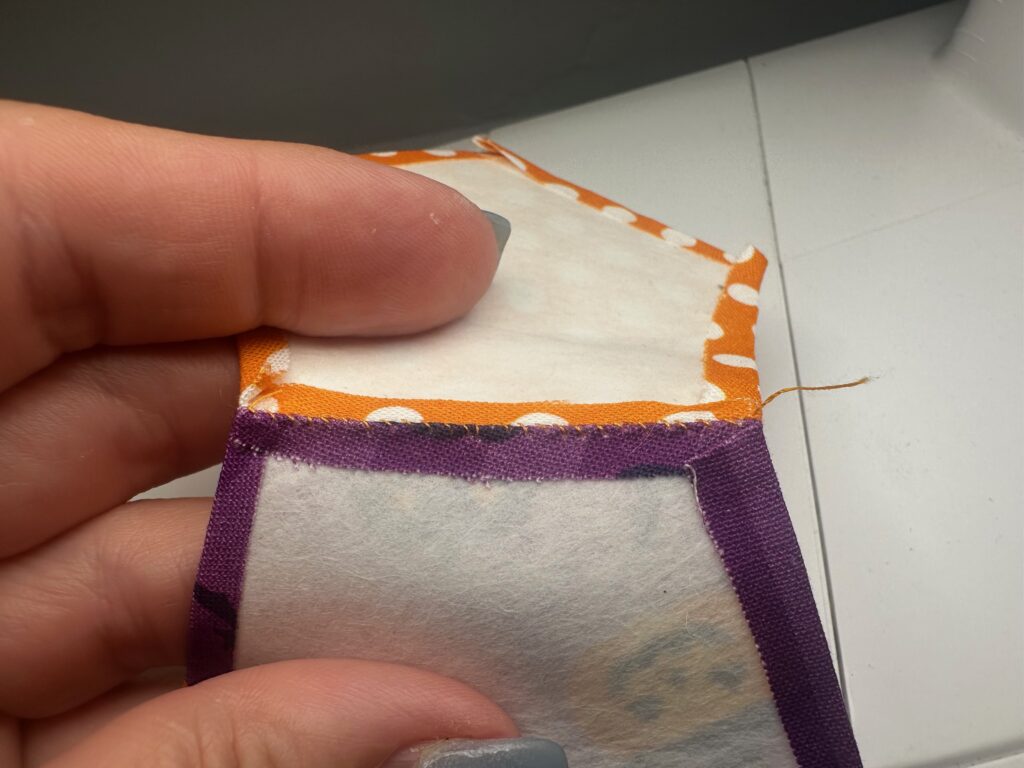
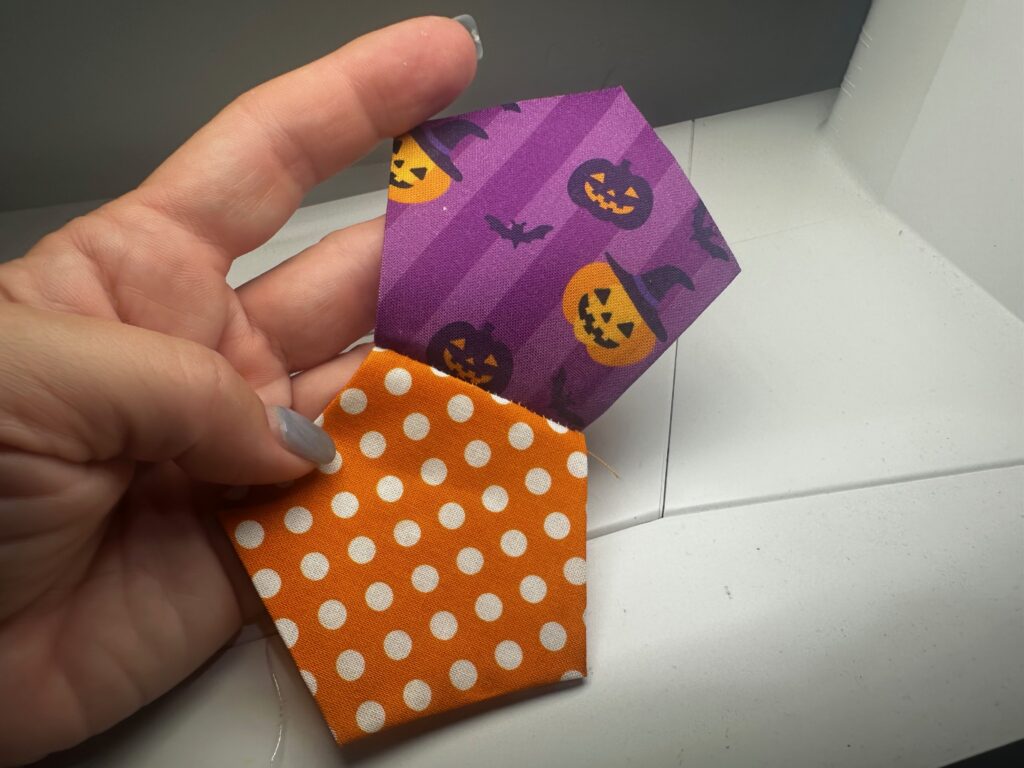
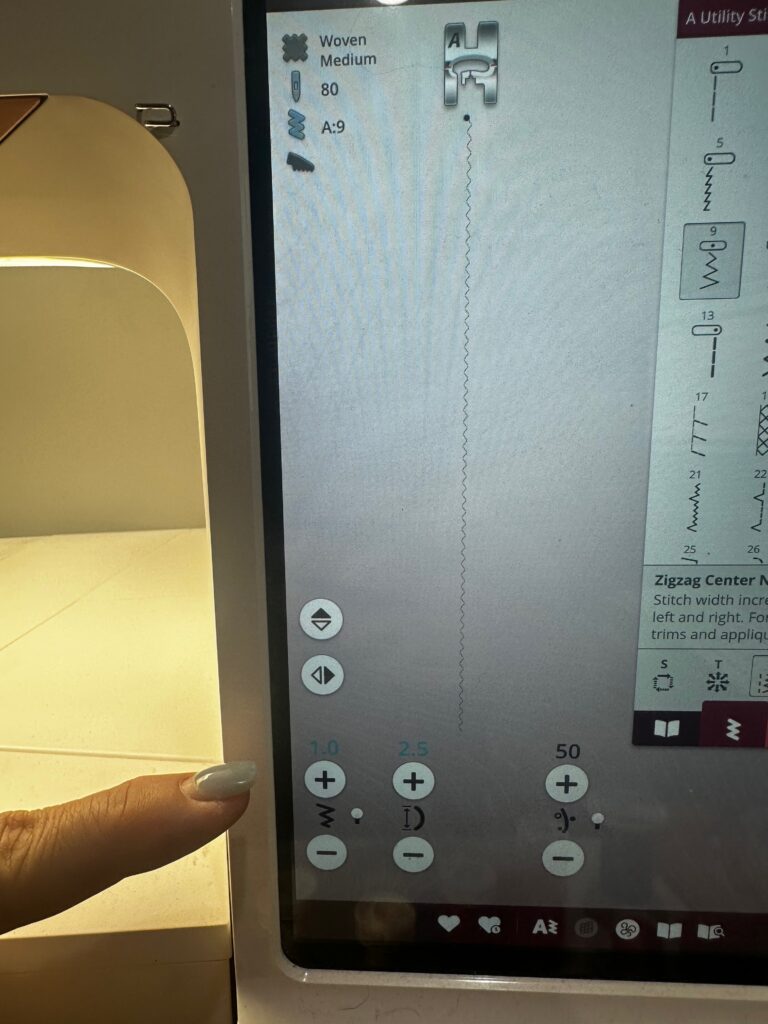
You can also use your sewing machine, set on a narrow zigzag, to stitch the pieces together. Some may argue that this method isn’t English Paper Piecing at all, as EPP is a hand-sewing method. But if hand sewing is difficult for you (or if you want to complete your project faster, use your sewing machine (we won’t tell).
Step 5: Finish Without Removing Anything
This is the best part. There’s no paper to remove. The stabilizer remains inside every shape, continuing to support the finished project throughout use.
Perfect Projects for Stabilizer EPP
Using Sulky stabilizers for English Paper Piecing works beautifully for:
- Fabric bowls
- Catch-all trays
- Coasters
- Table centerpieces
- Holiday ornaments
- Mug rugs
- Wall hangings
- Pillow tops
- Mini quilts
- Full-size quilts
- Pouches and bags
For structured home décor, choose Cut-Away Plus.
For soft quilted projects, choose Soft ‘n Sheer.
A Better Way to EPP
English Paper Piecing has stood the test of time because of its accuracy and versatility. Swapping paper templates for Sulky stabilizer simply makes the process easier. It may not be traditional, but this method reduces frustration and produces great results. (Note: If you’re looking to remove the stabilizer entirely, substitute Sulky Paper Solvy™ for the templates! This product completely washes away after the stitching (or whole project) is complete, leaving no trace. Plus, you can run it through your printer and print any template shape directly onto the sheet(s)!)
Instead of spending time removing papers, your templates become a functional part of the finished project, adding support where it’s needed, improving fabric opacity, and increasing durability without adding unnecessary bulk.
Whether you’re stitching a cozy heirloom quilt or creating a sculptural fabric bowl, Sulky stabilizers help every piece come together more efficiently. Once you try English Paper Piecing with Sulky stabilizer instead of paper, you may never go back.
