
Thread Effects: Blendables
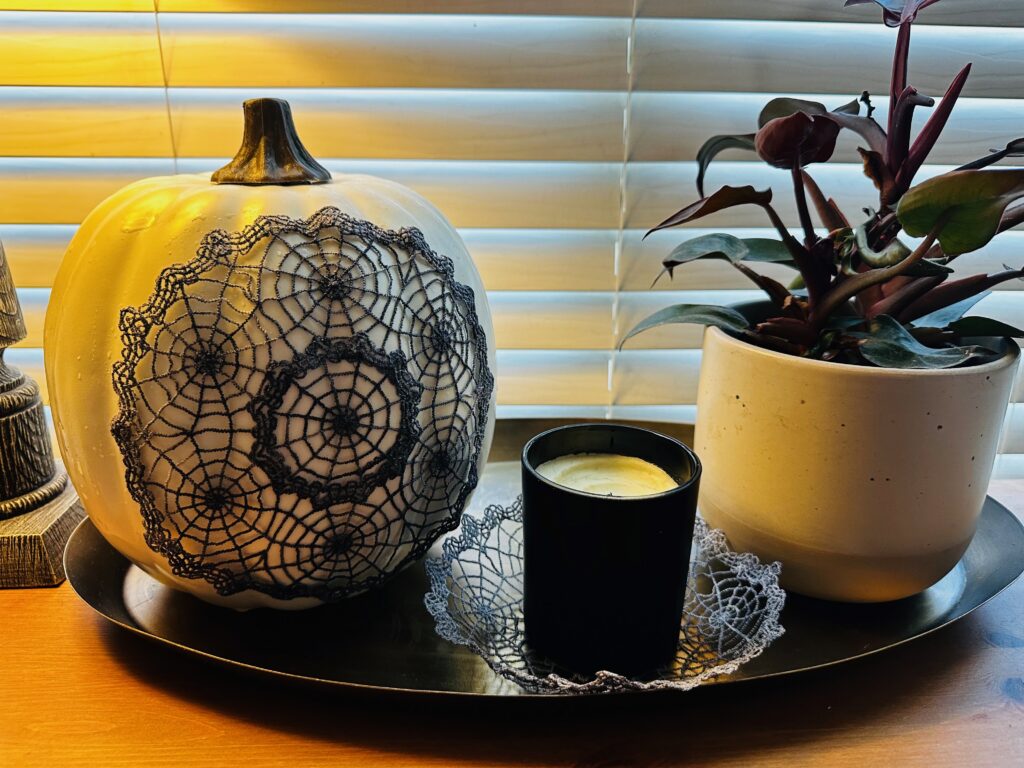
Create a Soft Place to Land for Candles, Pumpkins & More
We’ve spent the month of September experimenting with threads that sparkle, glow, shimmer, texture and surprise. Now it’s time to bring our Thread Effects series to a close with a thread that can make your projects look like they’ve been painted by hand. Meet Sulky 30 wt. Cotton Blendables Thread.
Blendables is a 30 wt. cotton thread that transitions through multiple shades of a color, creating beautiful, subtle variations as you stitch. Instead of changing thread colors throughout a design, you can let the thread do the colorwork for you.
The result? Depth, shading and movement—all from a single spool.
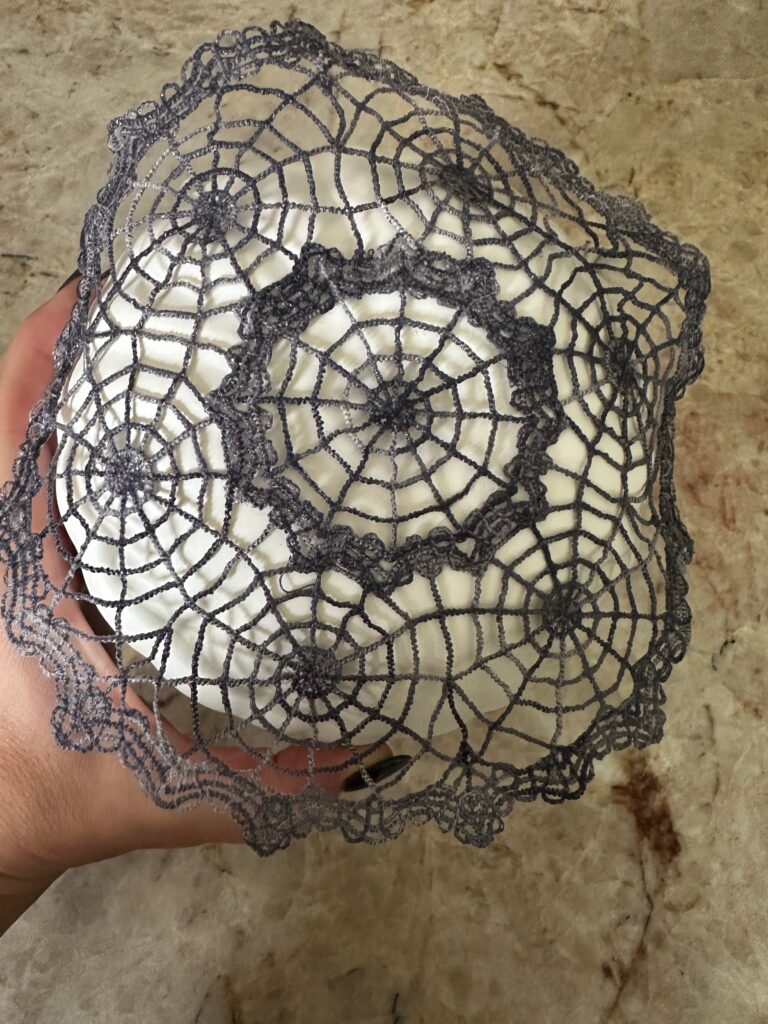
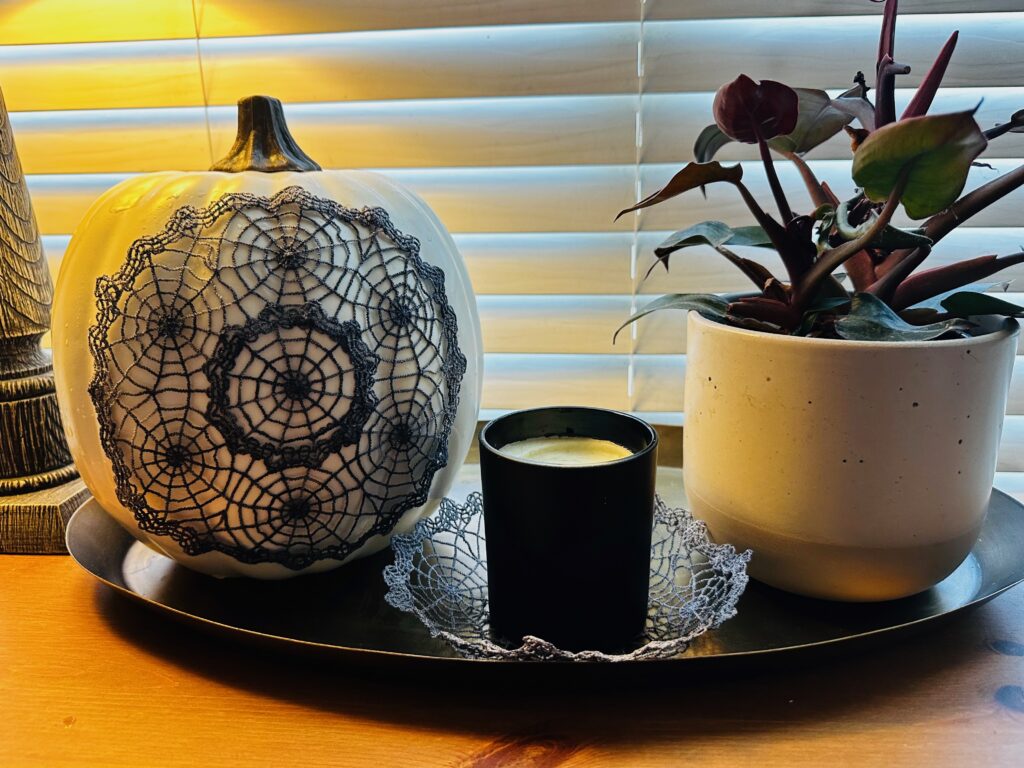
For our final Thread Effects project, we’re using Blendables to create a spooky seasonal setting for our pumpkins: a freestanding lace spiderweb doily.
From One Color to a Web of Shading
At first glance, a machine embroidery design like this Urban Threads Spooky Spiderweb might seem like something you’d stitch in a single thread color. And you certainly can!
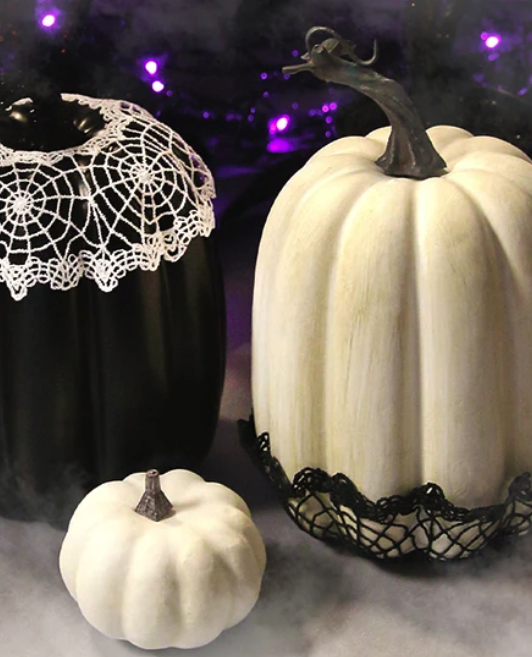
But what happens when you introduce Blendables?
Suddenly, the web has dimension. As the thread moves through the design, the subtle color changes create areas of light and dark that make the individual strands of the web stand out. It can look as though you’ve carefully selected several different thread colors and changed them throughout the stitchout.
But you haven’t. It’s all Blendables.
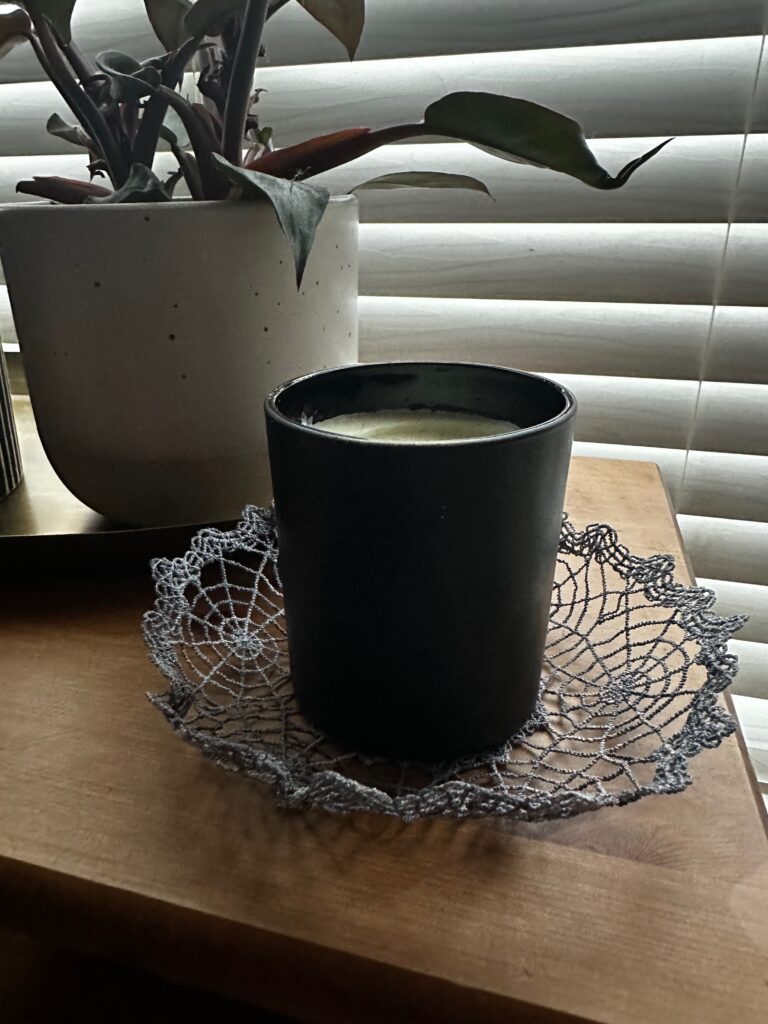
That’s one of the most useful, and magical, things about this thread. The color variation happens naturally as you stitch, so you get a more complex visual effect without stopping your machine to change thread colors.
For this Halloween-themed project, that means we can transform an ordinary one-color embroidery design into a dimensional, realistic-looking spiderweb “doily” that creates the perfect soft place to land for a collection of pumpkins, a decorative candle or a handful of candy.
It’s spooky. It’s decorative. And it’s a great example of how simply changing the thread can completely change the personality of a design.
Creating a Freestanding Lace Doily
Because this project is freestanding lace (FSL), the embroidery isn’t stitched onto fabric. Instead, the thread itself becomes the finished piece. That makes your thread choice particularly important.
For freestanding lace, you’ll want to use the same thread in the needle and bobbin so that the finished design has a consistent appearance on both sides.
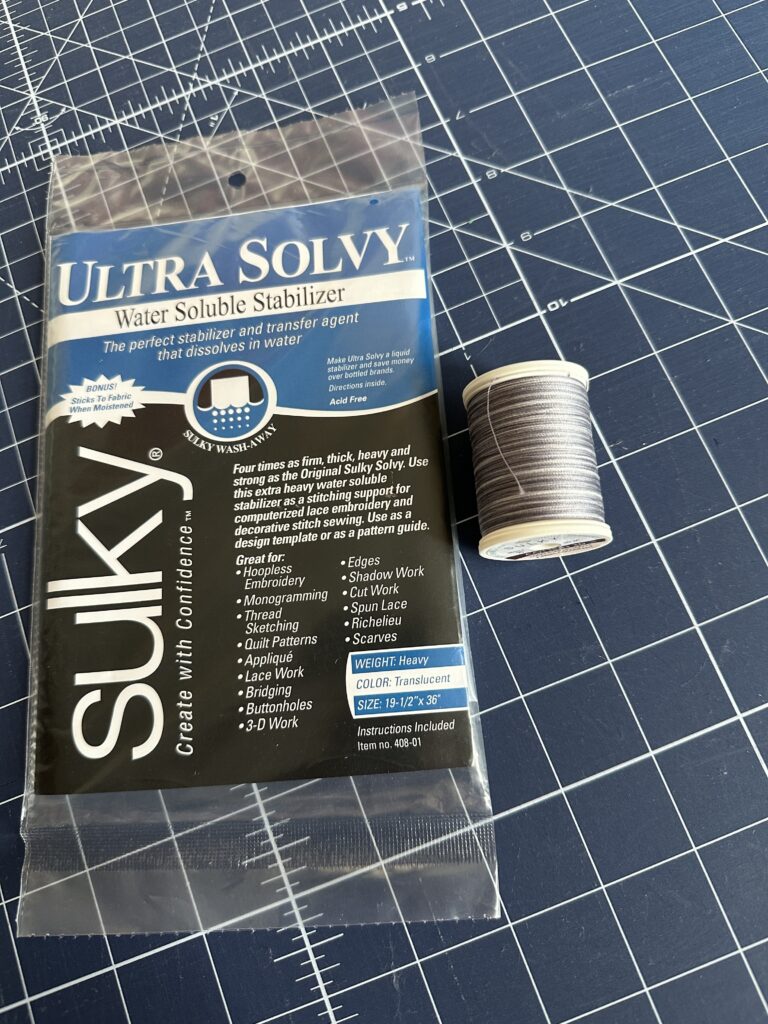
For this project, that means using your 30 wt. Cotton Blendables in both the needle and bobbin. Pair this thread with a size 90/14 Needle.
You’ll also need Sulky Ultra Solvy™ as your wash-away stabilizer.
Ultra Solvy provides the temporary foundation needed to support all those intricate stitches during embroidery. Once the design is complete, the stabilizer is dissolved away, leaving behind the beautiful stitched web.
Tips for Successful FSL
Freestanding lace is all about finding the right balance between thread, stabilizer and stitch density.
For best results:
Use the same thread on top and in the bobbin.
This ensures that the finished lace looks beautiful from either side.
Use Sulky Ultra Solvy.
FSL requires a strong, water-soluble stabilizer that can support the stitching during the embroidery process.
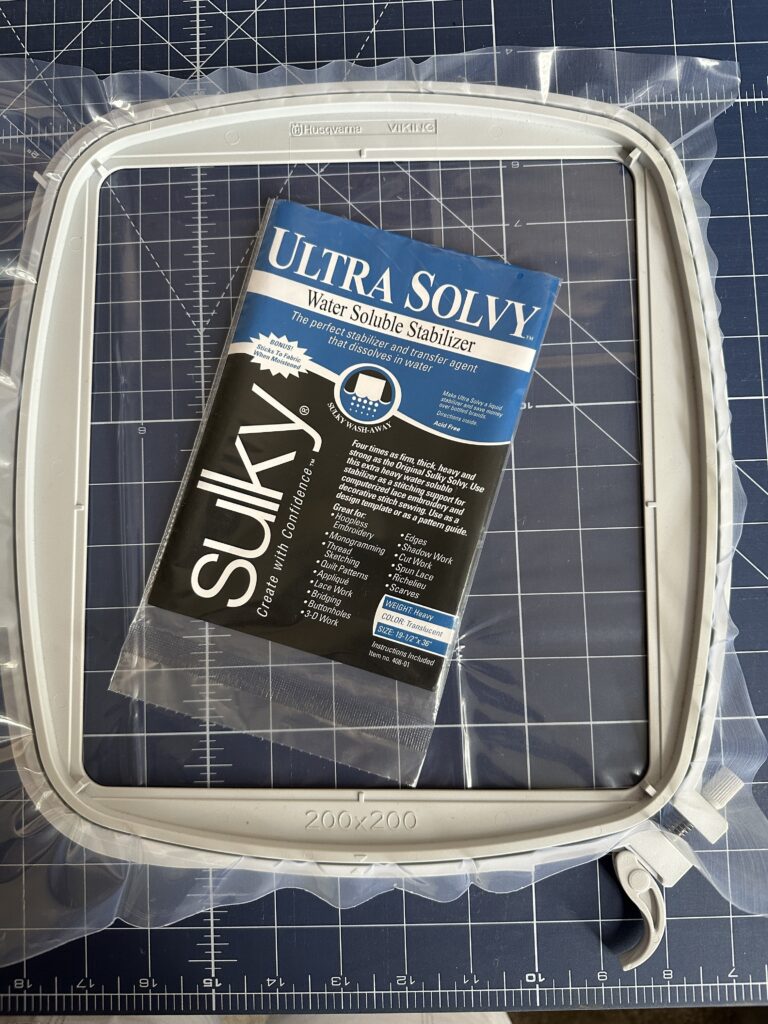
Hoop securely.
You want the stabilizer to be taut in the hoop so the design remains stable while stitching.
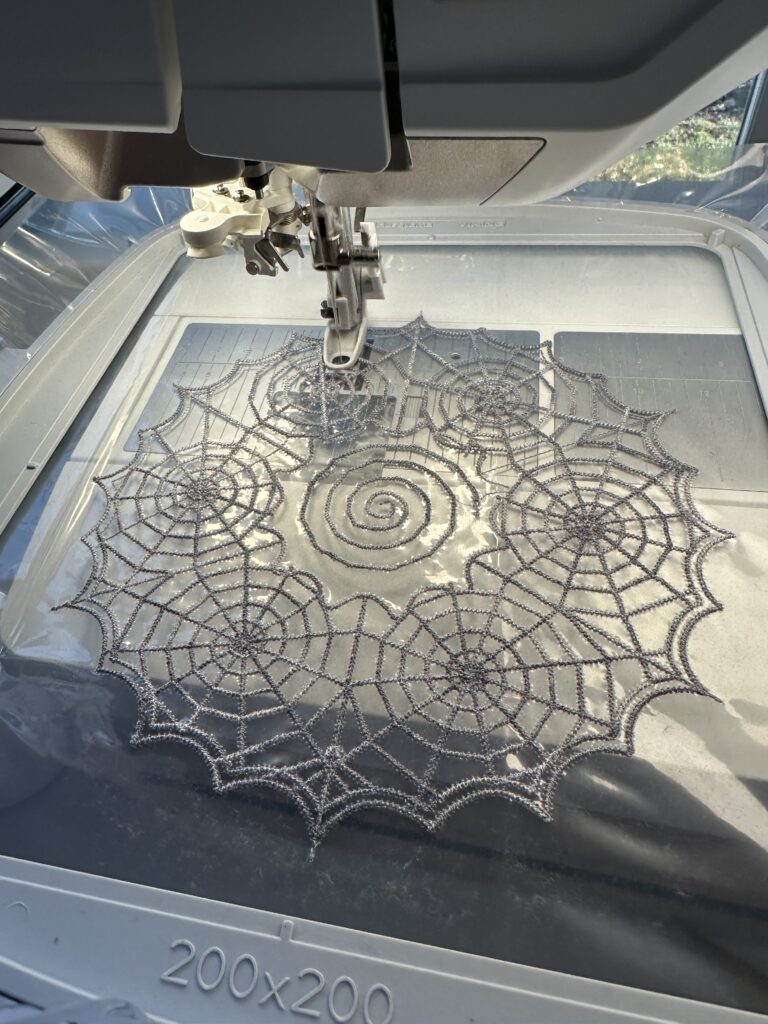
Don’t rush the wash-out.
Once the stitchout is complete, carefully trim the excess stabilizer before dissolving the remaining Ultra Solvy in water.
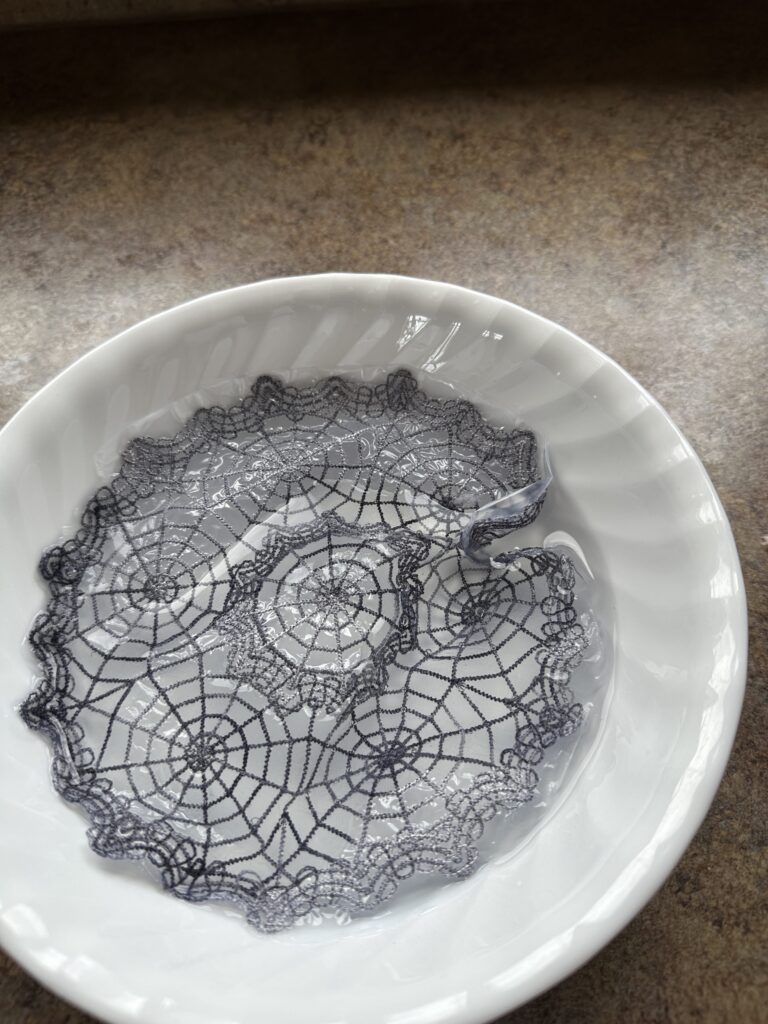
If keeping the doily flat, let it dry on a towel.
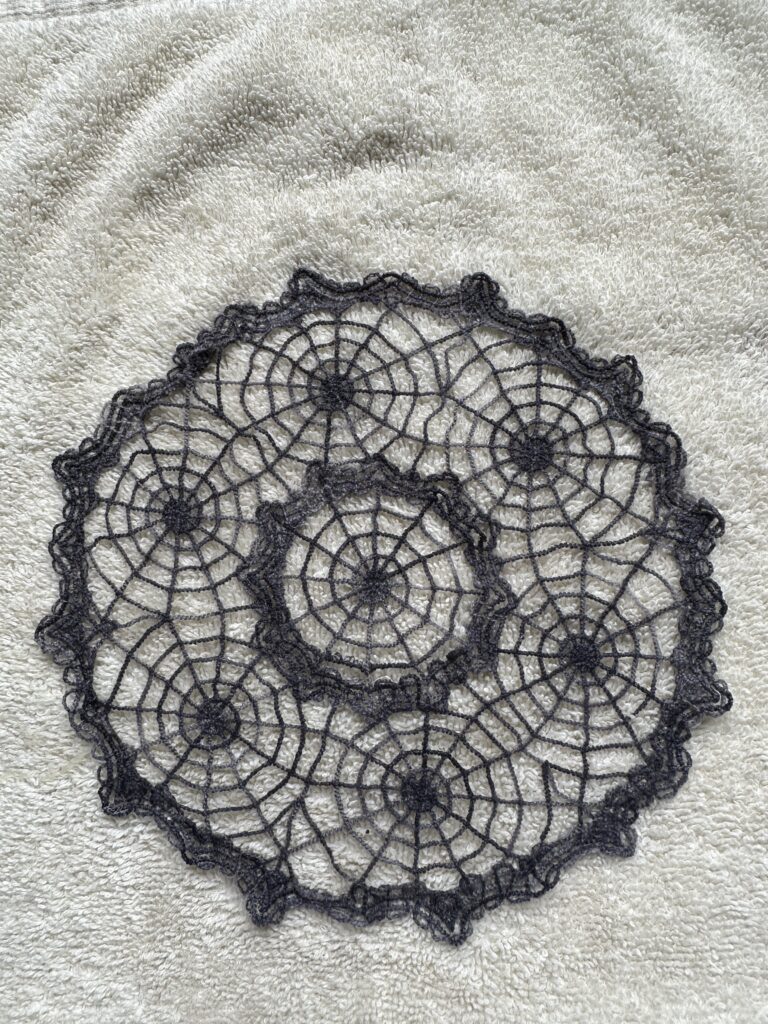
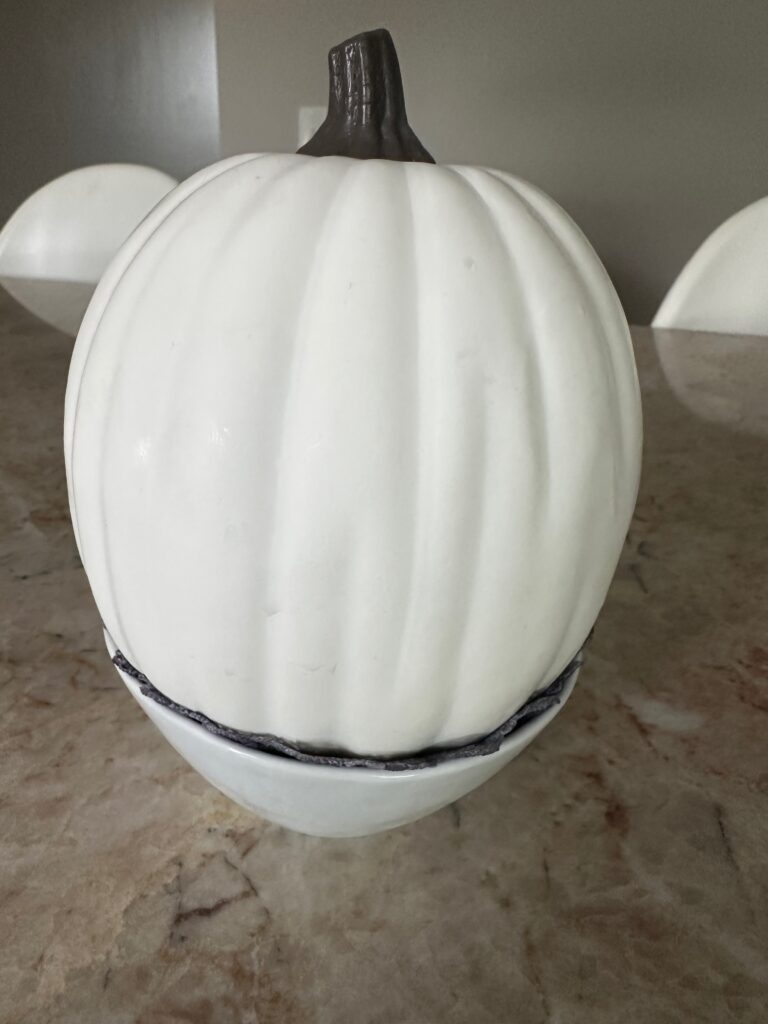
Or, to shape the FSL around a pumpkin or bowl, first place a small pumpkin (real or fake) on top of the lace and mold it around the pumpkin base. Then, place everything in a bowl while the FSL dries. As it dries, the FSL piece will conform to the pumpkin.
Blendables for Quilting
And the magic of Blendables doesn’t stop at Halloween décor. One of our favorite ways to use 30 wt. Cotton Blendables is in quilting.
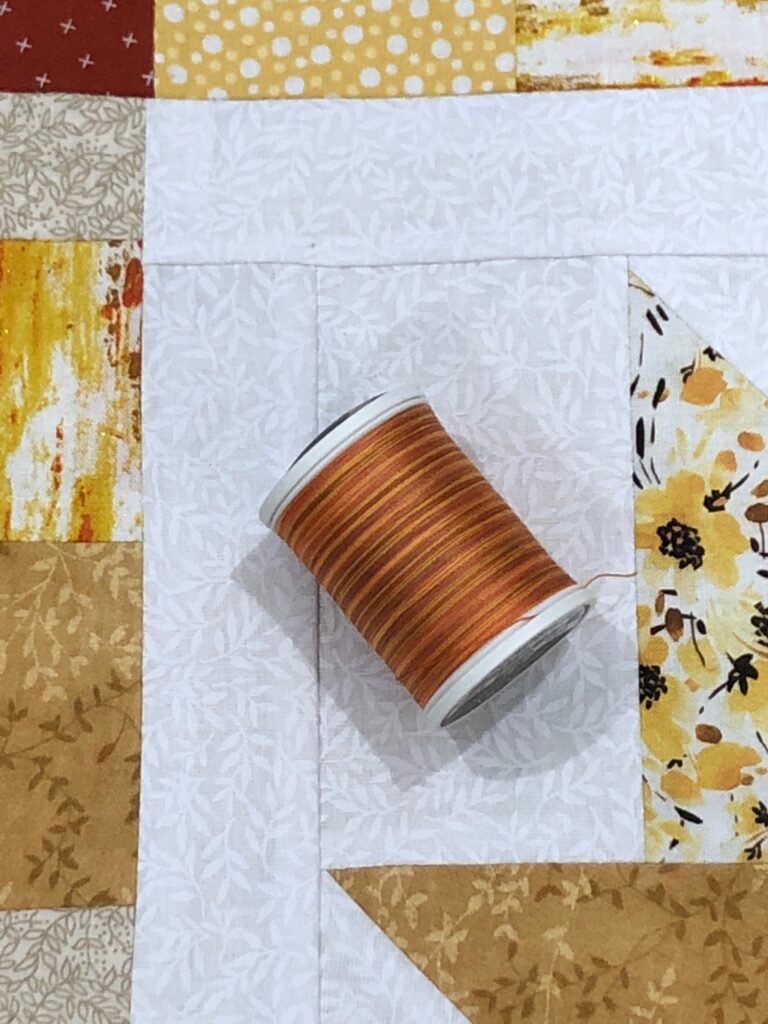
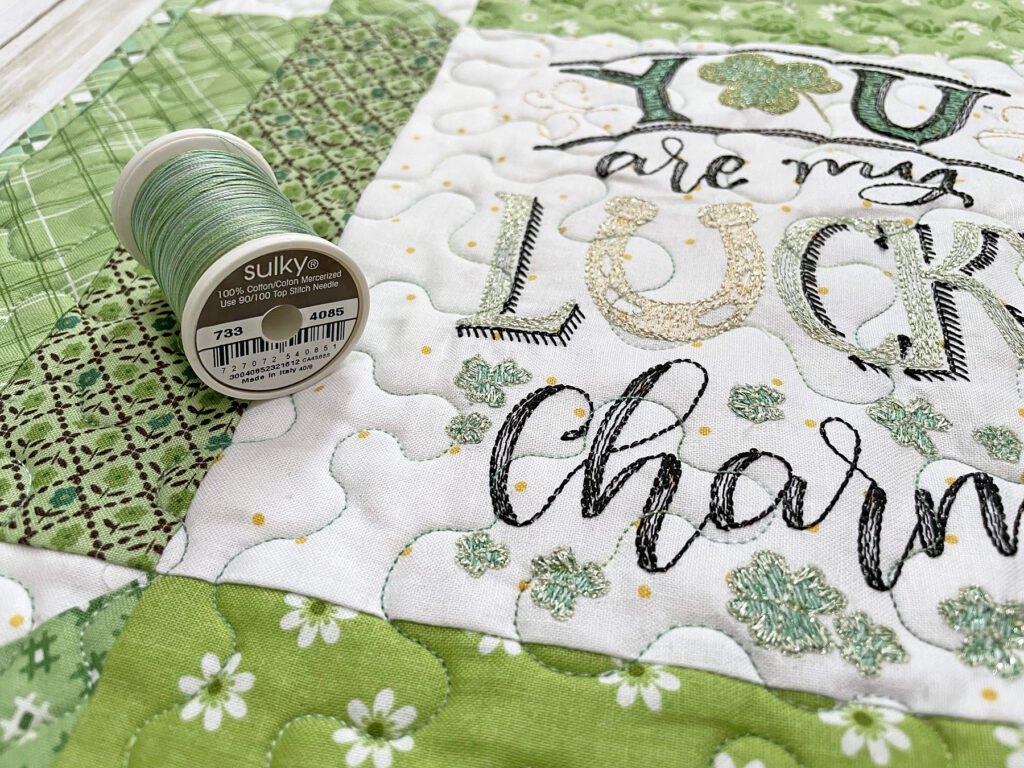
Think of your quilting stitches as lines of paint. Instead of simply outlining shapes or filling spaces, the thread itself can contribute color, shading and movement to the overall design. Blendables can help create a watercolor effect, especially when you’re working with organic shapes, landscapes, flowers, leaves and other motifs where gradual color changes feel natural.
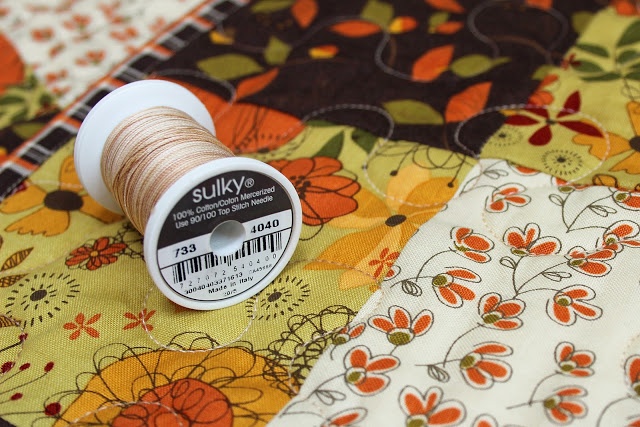
A single line of quilting can move from one shade to another, creating the impression that you’ve used several colors of thread. The result can be remarkably painterly. Your quilt begins to look less like a collection of stitched blocks and more like a piece of artwork.
The Secret to Using Blendables for Quilting
When quilting with “variegated” thread, you’ll notice predictable blocks of color appearing with each stitching line. But Blendables is different. This thread is randomly dyed so each color variation happens every 2 1/2″ to 5″ across the thread length. The stitching lines gradually travel through the color variations.
This creates a softer transition and a more natural appearance.
Try Blendables for:
- Free-motion quilting
- Continuous-line quilting
- Echo quilting
- Floral motifs
- Nature-inspired designs
- Landscape quilting
- Appliqué outlines
- Decorative borders
- Background quilting
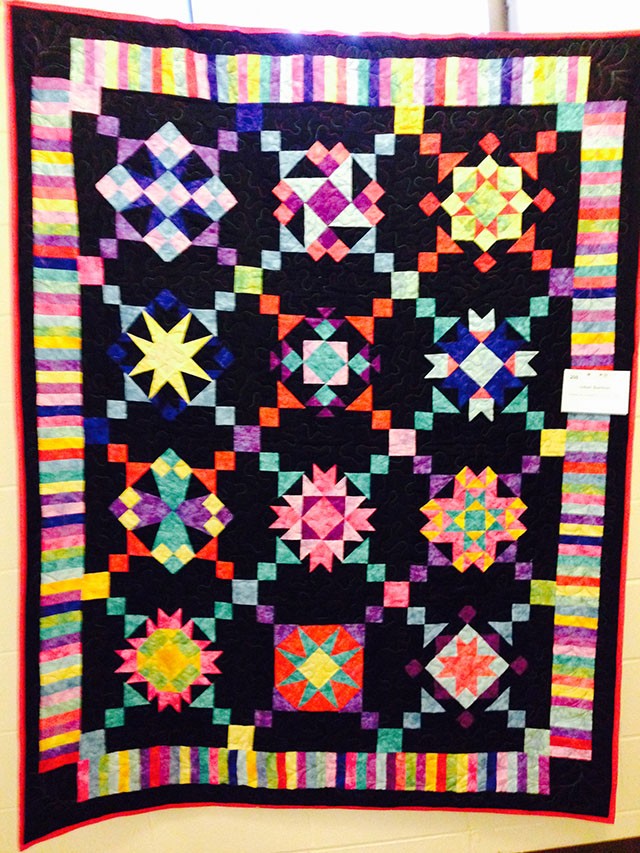
The thread becomes part of the artwork rather than simply an outline around it. This colorful quilt was quilted only with Sulky 30 wt. Blendables Thread so each color of fabric was represented in the quilting, using only one spool of thread.
Avoid Heavy Blocks of Color
Here’s an important tip when using Blendables in quilting:
Don’t expect it to behave like a solid-color thread.
If you use Blendables to fill a large, dense area with closely spaced stitches, the beautiful color transitions can become concentrated into more obvious bands.
Instead, let the thread move.
Longer quilting paths, flowing motifs and open stitching allow the color changes to spread naturally across the design.
Think brushstroke, not paint bucket.
The goal is to allow the different shades to mingle across your quilt rather than stacking up in one small area. This is where Blendables can create that beautiful watercolor-like effect.
Blendables for Topstitching
And if you’re not a quilter, don’t worry! There’s plenty of room for Blendables in your sewing projects, too.
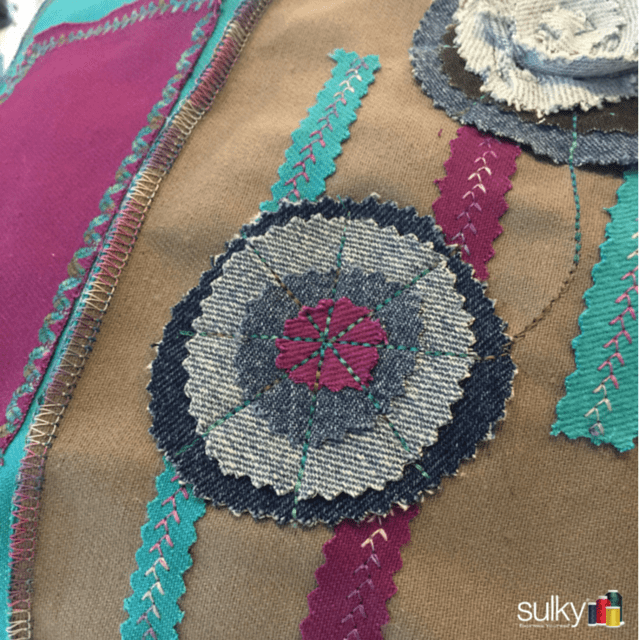
Try it for decorative topstitching! A 30 wt. cotton thread has enough visual presence to make topstitching a design feature rather than simply a construction detail. Choose a straight or decorative stitch and watch the blending of colors transform your project.
Use Blendables on:
- Bags
- Jackets
- Quilted coats
- Home décor
- Fabric baskets
- Placemats
- Table runners
- Garments
- Accessories
A simple line of topstitching becomes more interesting when the thread subtly changes color as it travels across the fabric. It’s especially effective when you’re using a decorative stitch with some movement. The stitch pattern creates the shape, while Blendables adds the color variation.
Let Your Thread Change the Design
That’s really the lesson we’ve learned throughout our Thread Effects series. Sometimes, you don’t need to change the design. Change the thread.
The spiderweb doily is a perfect example. The embroidery design itself hasn’t changed. We’re using the same stitches, the same shapes and the same overall design. But by replacing a solid thread with 30 wt. Cotton Blendables, we’ve changed how we see it.
The thread creates shading.
The shading creates dimension.
The dimension makes the web look more realistic.
And suddenly, a design that could have been a simple one-color embroidery becomes a spooky, dimensional piece of Halloween décor.
Stitch several doilies for a set of pumpkins, and you’ve got a festive decoration that’s ready for Halloween night.
One Spool. So Many Effects.
From the sparkle of metallics to the texture of Filaine, the glow of Glowy, the shimmer of Poly Sparkle, the boldness of Neon and now the painterly color transitions of Blendables, we’ve spent September discovering just how much personality a thread can bring to a project.
And that’s what we hope you’ll take away from Thread Effects: Don’t think of thread as just something that holds your stitches together. Think of it as a design medium.
It can add color, texture, dimension, reflect light, glow, create shading. It can even make your sewing look like a painting.
So the next time you find yourself planning a project and thinking, “How can I make this my own?” Start with the thread. You might be surprised by just how much your project can change with a simple swap of thread.
Happy National Sewing Month from Sulky!
Thanks for stitching along with us throughout our Thread Effects series. We hope you’ve discovered a few new favorite threads! And, more importantly, we hope you’ve discovered a few new ways to use them.
SHOP YOUR FAVORITE SULKY THREADS>
